
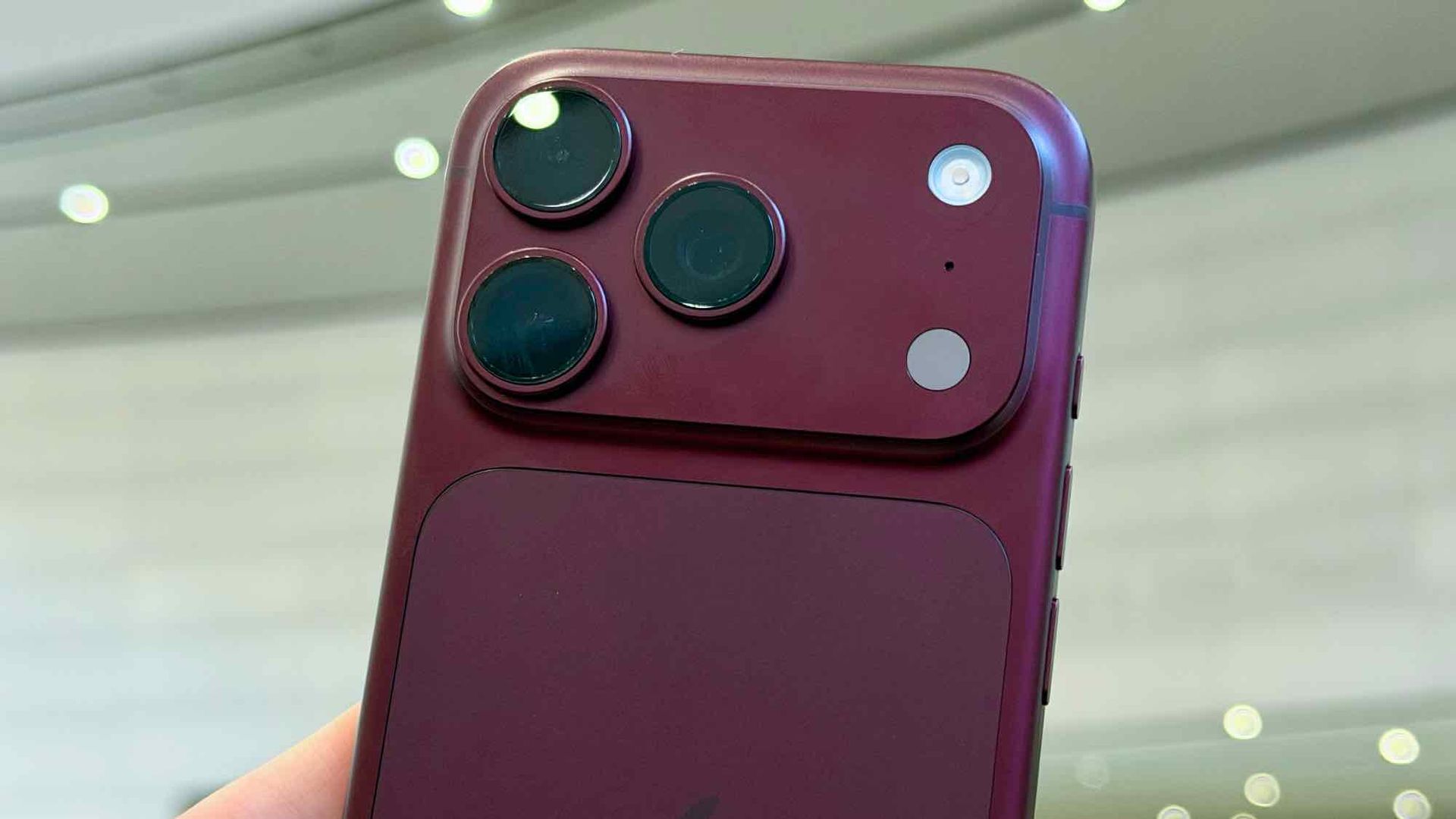
The Apple iPhone 18 Pro arrives as a refined iteration of its predecessor, focusing on internal architectural advancements rather than radical design shifts. While the exterior remains largely unchanged from the previous generation, the device introduces the A20 Pro chipset, which is built on a 2nm process. This new silicon, paired with a redesigned packaging technique that moves RAM off-chip and incorporates a vapor chamber, addresses long-standing thermal concerns and provides substantial performance headroom.
Reviewers highlight the A20 Pro as a standout feature, with benchmarks showing significant year-over-year improvements. Macworld reports that Geekbench 7 testing reveals a 26 percent increase in single-core performance and a 28 percent jump in multi-core scores. The GPU performance saw an even more dramatic 46 percent increase in compute tasks, a gain attributed largely to a 50 percent wider memory bus that alleviates previous bandwidth bottlenecks.
Thermal management has also seen practical improvements. Beyond the internal vapor chamber, enthusiasts have demonstrated that the device's sustained performance can be further bolstered by external cooling methods. Tom's Hardware noted that applying a cold surface to the back of the phone during intensive benchmarking sessions resulted in up to 25 percent higher sustained performance, suggesting the hardware is capable of higher output when thermal throttling is mitigated.
The camera system retains the triple 48MP configuration but introduces a variable aperture on the main sensor, ranging from f/1.5 to f/4.0. This addition provides users with greater control over depth of field. While the display hardware remains consistent with the previous model, the Dynamic Island cutout has been slightly reduced in size, achieved by relocating the Face ID infrared sensor beneath the display pixels.
Despite these technical upgrades, the iPhone 18 Pro faces criticism regarding its value proposition. The price has increased, and the lack of major new features or a fresh aesthetic has led some reviewers to characterize the device as a functional, albeit unexciting, update. Battery capacity has seen a minor increase, with the standard model now housing a 4,056mAh cell, though reviewers remain cautious about whether this will translate into meaningful real-world longevity improvements over the iPhone 17 Pro.
Sources
- Tom's GuideI tested iPhone 18 Pro vs Pixel 11 Pro and found out which extracts better photos from video clips
- Tom's HardwareEnthusiast cooled iPhone 18 Pro with cold can of La Croix sparkling water; benchmarks show 25% higher sustained performance
- GSMArenaApple iPhone 18 Pro review
- MacworldiPhone 18 Pro review: The best kind of boring
- SlashGear ReviewsiPhone 18 Pro Review: Apple's Flagship Is No Longer Its Most Expensive Phone