
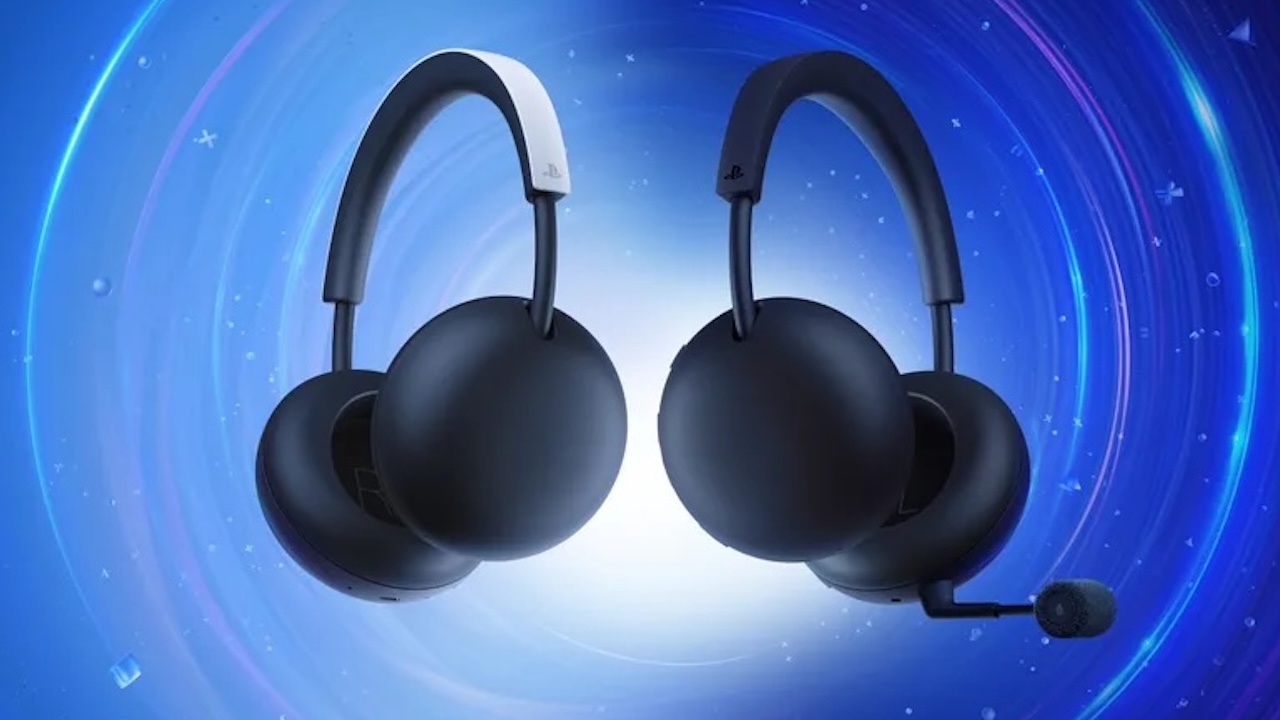
Sony has unveiled two upcoming additions to its gaming audio lineup, the PlayStation Pulse and the premium-tier Pulse Edge. Both headsets represent a shift in Sony's strategy by making planar magnetic drivers the standard across the new models, a technology previously reserved for the Pulse Elite. According to Sony, these custom drivers are larger than those found in the Elite model and are engineered to deliver deeper bass while maintaining audio detail and spatial accuracy for competitive gaming.
Connectivity remains a core component of the new hardware, with both the Pulse and Pulse Edge utilizing the PlayStation Link system. This proprietary wireless protocol is designed to provide lossless, low-latency audio across PS5 consoles, PlayStation Portal, PCs, and Macs. The headsets also support simultaneous Bluetooth connectivity, allowing users to maintain a connection to a secondary device while gaming, a feature carried over from the existing Pulse Elite.
The standard PlayStation Pulse is designed to cover essential features, including integrated microphones with AI-assisted noise rejection and a redesigned chassis. Sony has updated the physical construction to include rotating earcups, which allow the headsets to lie flat for easier storage and transportation. The company claims this new design improves both durability and comfort, though specific weight and fit measurements have not yet been disclosed.
The Pulse Edge serves as the more advanced offering, distinguished by a driver design that utilizes eight magnets per unit, compared to four in the standard Pulse. This model also introduces active noise cancellation to help isolate users from background environmental sounds. For communication, the Edge features a detachable boom microphone, supplemented by a hidden internal microphone that remains functional even when the boom is removed.
Additional features exclusive to the Pulse Edge include dedicated game and chat balance controls, an integrated audio/microphone jack, and a carrying case. While Sony has provided these hardware specifications, the company has not yet released battery life figures for either model. This remains a significant detail, as the inclusion of active noise cancellation in the Edge typically impacts power consumption compared to standard wireless configurations.
Sony has confirmed that the standard PlayStation Pulse is scheduled to launch in select markets during the 2026 holiday season, with the Pulse Edge following in early 2027. At this time, the company has not announced official pricing, specific release dates, or the start of pre-order windows for either headset.