
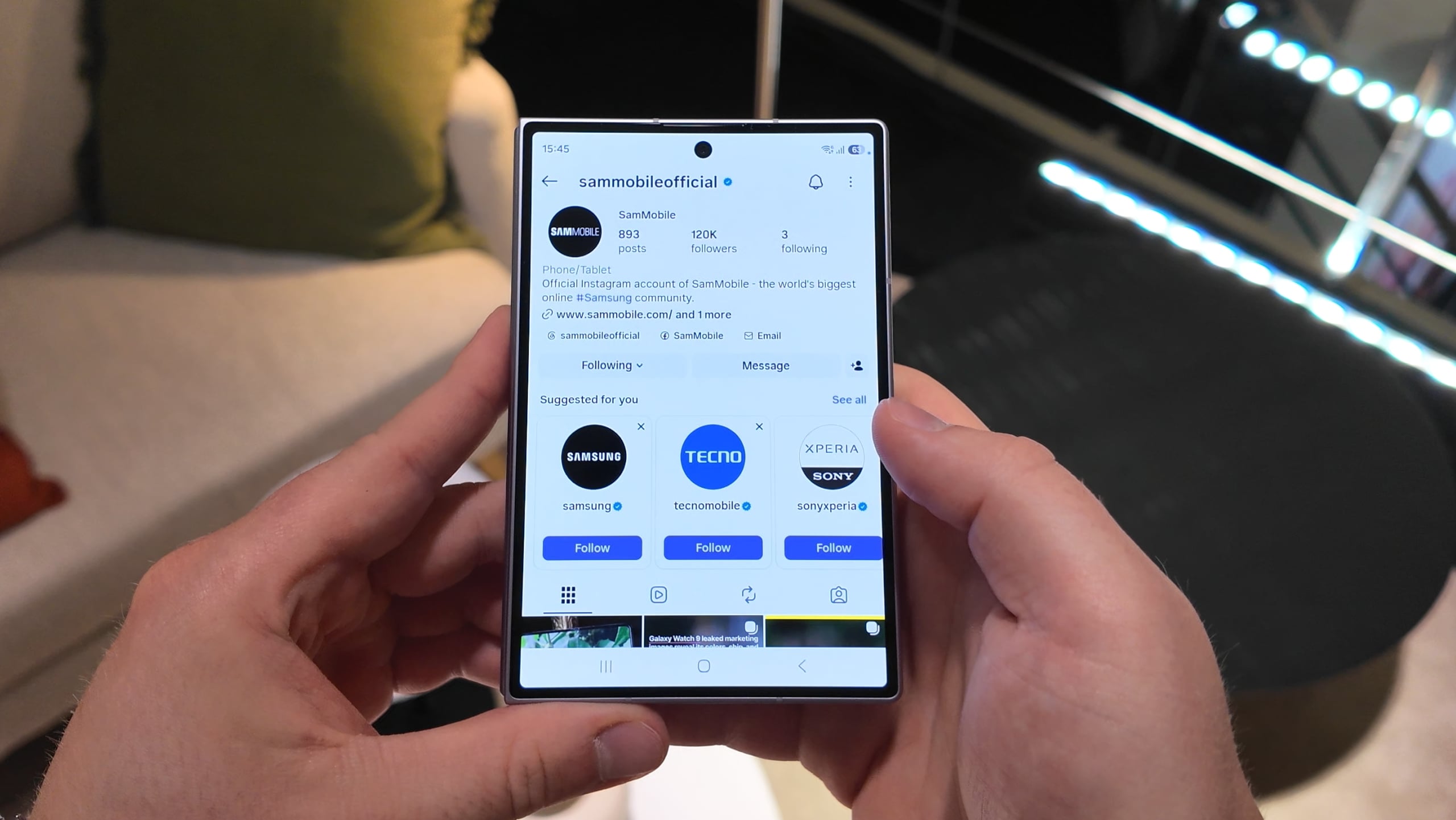
Samsung officially expanded its foldable smartphone portfolio on July 22, introducing the Galaxy Z Fold 8 alongside the Galaxy Z Fold 8 Ultra and Galaxy Z Flip 8. The standard Galaxy Z Fold 8 adopts a shorter, wider design that resembles a passport when closed, a departure from the taller, narrower aspect ratio that has defined the company's previous book-style foldables. This new form factor aims to provide a more ergonomic experience and improved wide-screen video viewing.
Under the hood, the Galaxy Z Fold 8 is powered by the Snapdragon 8 Elite Gen 5 processor and is available with either 12GB or 16GB of RAM. A significant technical milestone for the series is the inclusion of silicon-carbon battery technology, which allows for higher energy density compared to traditional lithium-ion cells. Despite the device's thin profile, it houses a 4,800mAh battery, demonstrating the space-saving benefits of the new chemistry.
The device launches with a starting retail price of $1,899.99 for the 256GB model, with 512GB and 1TB storage configurations also available. Samsung is currently offering aggressive promotional incentives, including trade-in credits of up to $1,200 and an additional $100 discount via the code "PAYPAL100," which can bring the effective cost of the base model down to $599.99 for eligible customers.
While the hardware represents a shift in design philosophy, the software experience remains consistent with Samsung's latest Android 17 implementation. The company has also focused on physical refinements, including an improved display crease and a hinge mechanism designed to make the device easier to open. These updates arrive as the foldable market faces increased competition, with industry observers noting that Samsung is positioning its diverse lineup to maintain its leadership in the category.
Sources
- SamMobileYou can’t be mad at Samsung for joining the passport club with the Galaxy Z Fold 8
- Droid LifeHow to Get Samsung’s Galaxy Z Fold 8 for $599
- 9to5GoogleThe Galaxy Z Fold 8 is Samsung preparing for battle, but is it enough?
- Android AuthorityForget the Z Fold 8 Ultra — Samsung just made the Galaxy S27 a lot more exciting