
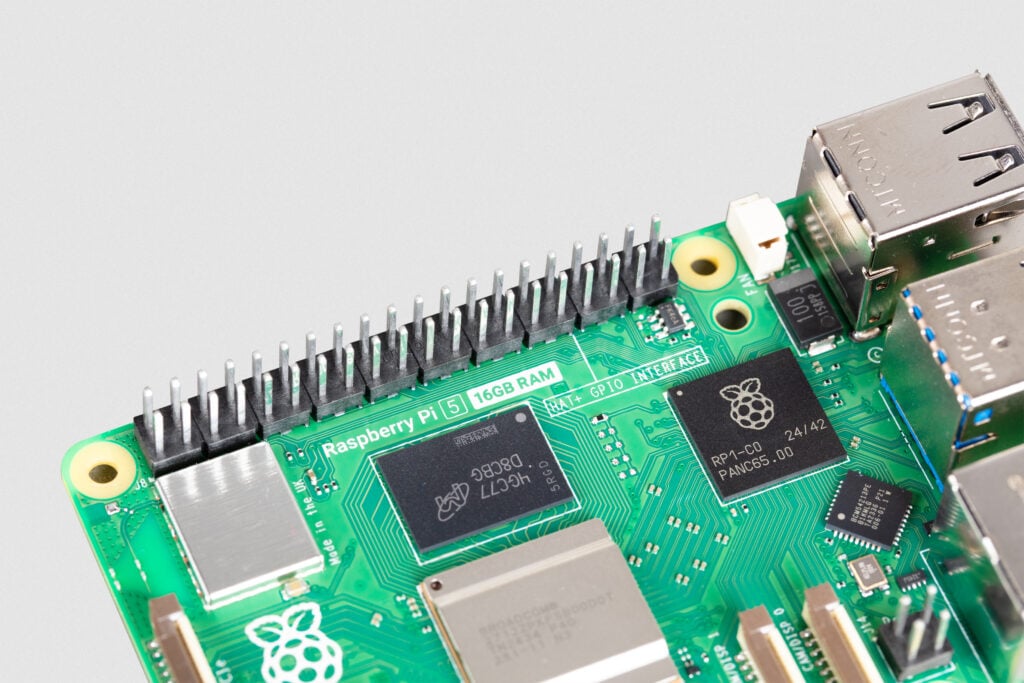
Raspberry Pi has announced immediate price increases for its 16GB memory variants of the Raspberry Pi 5 and the Compute Module 5. The company attributed these adjustments to the ongoing volatility in the global memory market, specifically citing a lack of alternative supply for 16GB DRAM modules. These components have seen steep cost increases over the past two years, forcing the manufacturer to pass some of these expenses on to consumers.
The 16GB version of the Raspberry Pi 5 will now retail for $385, representing an $80 increase from its previous price point. Similarly, the 16GB variants of the Compute Module 5 are seeing a $40 price hike. These changes are limited to high-density memory products, as the company has opted to avoid blanket price increases across its entire hardware lineup to protect the affordability of its lower-memory offerings.
Despite the broader market pressure, the company confirmed that the price of the Raspberry Pi 500+, an all-in-one desktop computer that also includes 16GB of RAM, will remain unchanged. This decision to hold pricing on the premium keyboard-integrated desktop suggests that the company is selectively managing costs where possible, rather than applying a uniform increase to every product featuring high-capacity memory.
In response to the news, Raspberry Pi is encouraging customers to evaluate whether their specific projects truly require 16GB of RAM. The company suggests that users consider lower-density variants or older models if their applications do not strictly demand the higher memory capacity. For those who must use the 16GB models, the company recommends optimizing software applications to reduce memory overhead and minimize the impact of these hardware costs.
The organization emphasized that these price adjustments are intended to be temporary. Eben Upton, speaking on behalf of the company, stated that they intend to roll back these price increases once memory costs stabilize and return to more sustainable levels. In the meantime, the company is advising customers to purchase hardware only through its network of approved resellers to avoid inflated pricing from third-party sellers attempting to capitalize on the current supply constraints.