
NVIDIA has announced at the SIGGRAPH conference in Los Angeles that it is expanding the use of the Model Context Protocol (MCP) to integrate agentic AI into professional creative workflows. This initiative aims to allow AI assistants to interact directly with the tools used by artists, filmmakers, and developers, enabling them to perform complex, multi-step tasks while keeping human creators in control of the final output.
The integration of MCP allows AI agents to access specific project data, such as scene files, timelines, and asset libraries. By connecting these agents to creative software, users can delegate repetitive production duties. For example, an artist can instruct an agent to inspect a scene for missing textures, validate shots against pipeline requirements, or prepare various export variants, all without leaving their primary creative environment.
Several major software developers are adopting these MCP connections to enhance their platforms. Adobe is expanding its creative agent capabilities across Firefly, Express, and Creative Cloud to help users orchestrate workflows through natural language. Similarly, Affinity by Canva has introduced an AI connector for Claude, which allows designers to automate tasks like resizing assets, renaming layers, and optimizing vector paths through simple prompts.
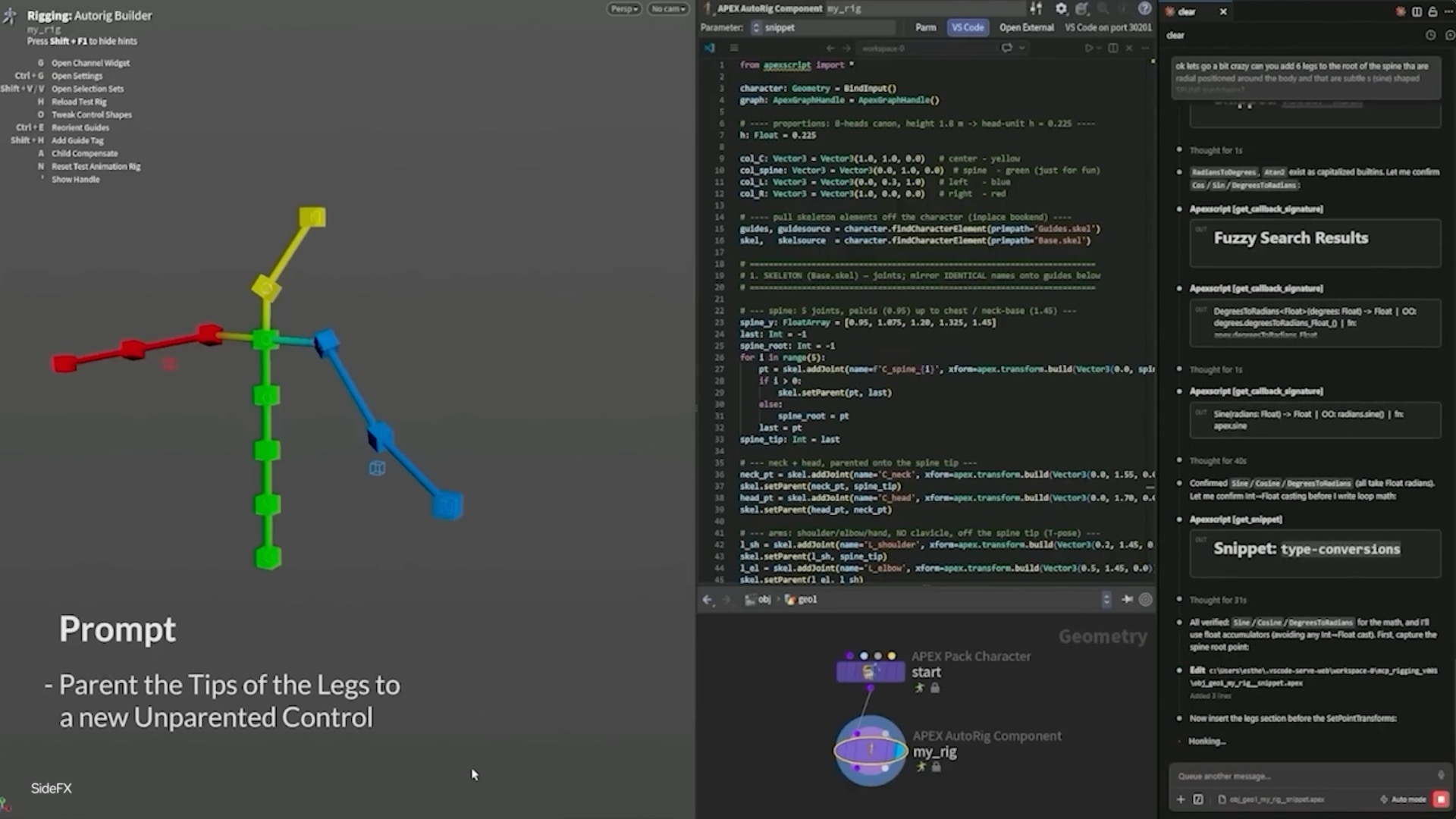
Technical tools are also seeing significant updates to support this agent-ready ecosystem. Blender has launched a lightweight MCP server through Blender Lab, providing an interface to its Python API for complex setups. Boris FX Silhouette now includes an MCP server that enables assistants to build node trees, edit shapes, and manage keyframes directly within projects. Additionally, Foundry’s Griptape and SideFX’s Houdini 22 are incorporating MCP support to assist with VFX pipeline management and procedural character rigging.
NVIDIA emphasizes that these workflows are designed to run locally on professional hardware, such as RTX PRO workstations and DGX systems. By processing models and agents on local infrastructure, studios can improve system responsiveness and maintain tighter control over sensitive creative data. This approach aims to reduce reliance on external cloud services while providing the computational power necessary for real-time simulation and neural rendering.
The shift toward agent-accessible tools represents a move to integrate AI orchestration into established production pipelines. By exposing APIs and documentation through MCP, software providers are enabling AI to function as a collaborator that understands the specific context of a project. This development is intended to reduce production overhead, allowing creative professionals to focus on design decisions rather than manual, repetitive technical tasks.