
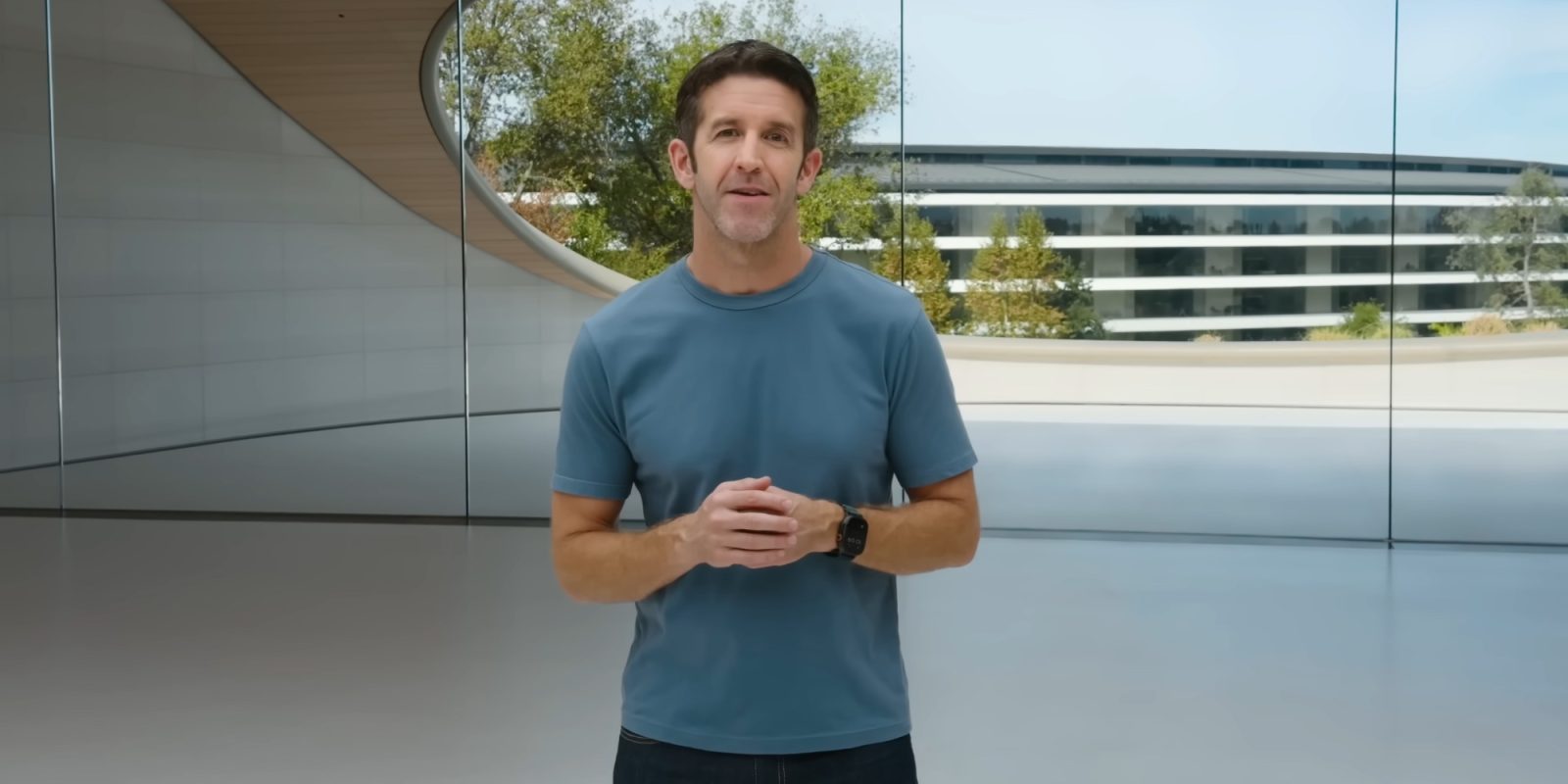
John Ternus officially assumed the role of Apple CEO on September 1, 2026, marking a leadership transition for the company after Tim Cook’s 15-year tenure. Cook, who led Apple since 2011, has transitioned to the role of executive chairman of the board, where he will assist with company matters and engage with global policymakers.
Ternus, who joined Apple in 2001 and served as senior vice president of hardware engineering since 2021, has signaled his primary focus areas through an updated biography on the company's leadership page. He emphasizes a commitment to hardware reliability, durability, and innovation in materials. Specifically, he highlights advancements in recycled aluminum compounds, the use of 3D-printed titanium in the Apple Watch Ultra, and design improvements aimed at increasing product lifespans.
As CEO, Ternus faces a complex operational landscape that includes managing supply chain constraints, such as ongoing memory shortages and rising component costs. He is expected to collaborate closely with Chief Operating Officer Sabih Khan and finance chief Kevan Parekh to navigate these logistical challenges while addressing pressure on App Store revenue and regulatory changes regarding third-party app stores.
The company is currently preparing for a significant fall product cycle, which is expected to include the launch of its first foldable iPhone and an updated Siri platform. These releases serve as a test for Ternus, who must integrate Apple’s artificial intelligence strategy across its hardware ecosystem. This includes potential future devices such as a voice-aware smart home display, camera-equipped AirPods, and non-augmented-reality smart glasses.
Ternus inherits a company that is actively refining its AI approach, including the integration of Google’s Gemini technology to rebuild the models behind Siri. While Apple continues to develop internal AI tools to improve product testing and reliability, it must also address internal leadership departures and competition for hardware engineering talent. Ternus has previously advocated for using AI as an engineering tool to solve complex development problems and improve device performance.