
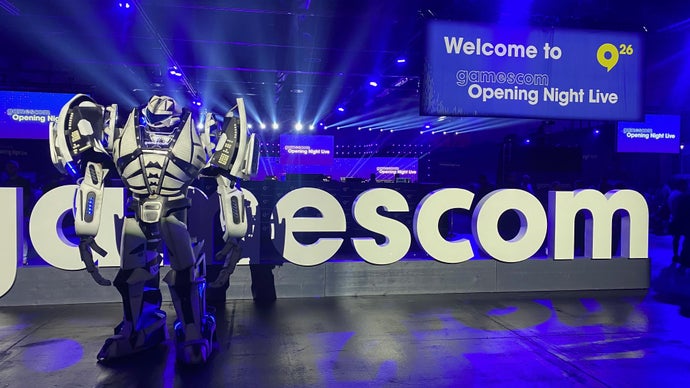
The 2026 edition of Gamescom Opening Night Live, hosted by Geoff Keighley, provided a broad look at the upcoming gaming landscape, highlighting a significant presence from Chinese and Korean developers. The event showcased a variety of new projects, including Nodusfall from Hoyoverse, a co-op action title featuring dragon-like creatures, and several other titles from studios such as NC, Krafton, and Netease.
A major highlight of the evening was the announcement that The Witcher 3: Wild Hunt is receiving a remaster. CD Projekt Red confirmed that this updated version will include improvements such as ray tracing and refined combat mechanics. Existing owners of the original game will receive the remaster as a free upgrade on September 29, along with the game's previous two expansions. Additionally, the studio teased the third expansion, Songs of the Past, which is scheduled for release in 2027.
Several high-profile sequels and new entries were also detailed during the two-hour presentation. Final Fantasy 7: Revelation is slated for a spring 2027 release and will launch simultaneously across all platforms. 4A Games introduced Metro 2039, expected in February 2027, while Saber Interactive confirmed that Turok: Origins is also coming in spring 2027. The latter title will feature both first-person and third-person gameplay modes, with a planned release on PC, PlayStation 5, Xbox, and eventually the Nintendo Switch 2.
The showcase included a wide range of other announcements, such as the space adventure Exodus from Wizards of the Coast, arriving April 7, 2027, and the city builder Lego Skylines. Rhythm action games also saw a return with the reveal of Stage Tour from RedOctane. Meanwhile, indie titles like Pony Island 2: Panda Circus, scheduled for April 27, 2027, and Lofsöng from Unrelated Studio were presented alongside various other trailers for upcoming games like Gears of War: E-Day and Warlock.
During his opening remarks, Keighley addressed the current state of the video game industry, acknowledging challenges such as widespread layoffs and rising hardware costs linked to the ongoing crisis in AI components. Despite these industry headwinds, the event emphasized a continued output of new titles from global developers, ranging from large-scale remasters to new intellectual properties.