
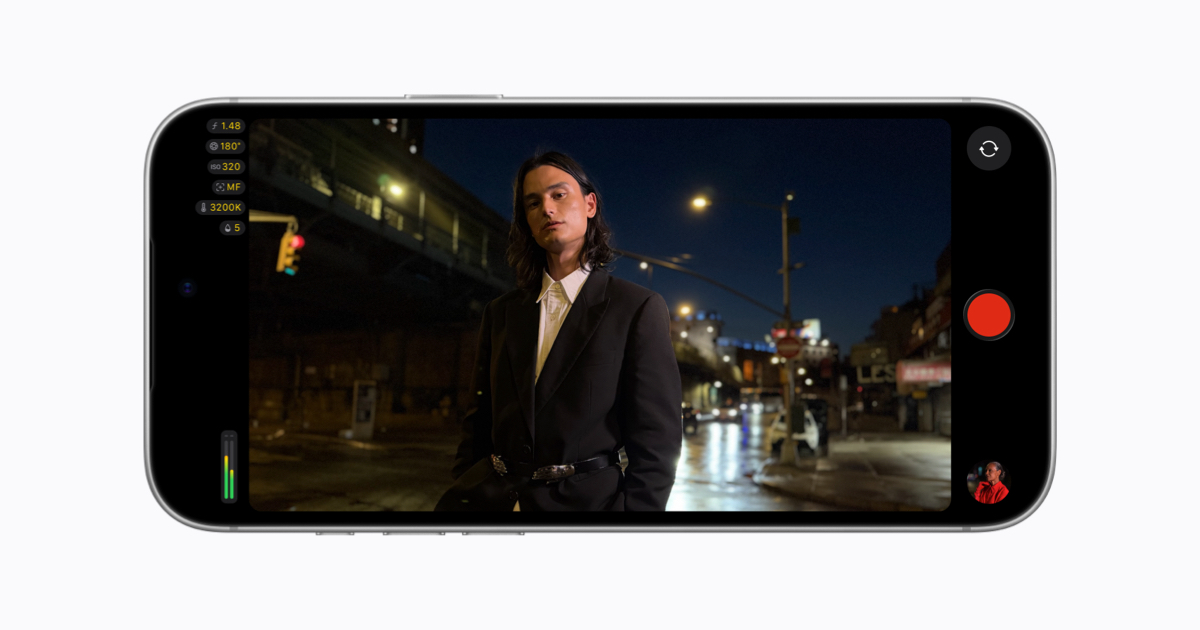
The Apple iPhone 18 Pro arrives as a iterative update that prioritizes internal hardware improvements over radical design changes. While the chassis remains largely identical to its predecessor, the device introduces the A20 Pro chipset, which is built on a 2nm process. This new silicon features a six-core CPU and a seven-core GPU, delivering substantial gains in both raw processing power and computational efficiency. Reviewers noted that the device feels exceptionally fast, with benchmark results showing significant year-over-year improvements in both single-core and multi-core performance.
A central hardware change is the inclusion of a variable aperture on the 48MP main camera, which can adjust between f/1.5 and f/4.0. This addition provides photographers with greater control over depth of field and exposure in varying lighting conditions. The camera system continues to utilize a 48MP telephoto lens with 4x optical zoom and a 48MP ultra-wide sensor. Apple has also updated its Final Cut Camera app to version 2.4, which now allows users to manually dial in aperture settings and utilize professional video scopes like RGB Parade and histograms.
Thermal management has been addressed through a new packaging technique that separates the 12GB of RAM from the main processor, paired with a dedicated vapor chamber. These architectural adjustments appear to contribute to the phone's sustained performance under load. Despite these internal upgrades, the display remains a 6.3-inch LTPO Super Retina XDR OLED panel with a 120Hz refresh rate, consistent with the previous generation's specifications.
Battery capacity has seen a modest increase, with the standard model now housing a 4,056 mAh cell. While reviewers suggest this capacity bump is relatively minor, the efficiency of the 2nm A20 Pro chip is expected to influence real-world longevity. Charging speeds have also been a focus, with Apple promising faster wired charging capabilities via the PD3.2 protocol, alongside 25W wireless MagSafe and Qi2 support.
The software experience is powered by iOS 27, which introduces new AI-driven capabilities and expanded professional video tools. While the physical design remains largely unchanged, the device is slightly heavier than the iPhone 17 Pro. The Dynamic Island cutout has been refined, with the IR sensor for Face ID now relocated under the display, resulting in a slightly smaller footprint that allows for tracking two dynamic activities simultaneously.
Market positioning for the iPhone 18 Pro is complicated by the simultaneous release of the iPhone Duo, which has led some analysts to note that the Pro is no longer the most expensive handset in Apple's lineup. Despite the lack of a major aesthetic overhaul, the combination of the A20 Pro chip and the new variable aperture camera makes it a compelling option for users seeking high-end performance and professional-grade photography tools.
Sources
- Tom's GuideI tested iPhone 18 Pro vs Pixel 11 Pro and found out which extracts better photos from video clips
- GSMArenaApple iPhone 18 Pro review
- MacworldiPhone 18 Pro review: The best kind of boring
- SlashGear ReviewsiPhone 18 Pro Review: Apple's Flagship Is No Longer Its Most Expensive Phone
- Apple NewsroomFinal Cut Camera now supports variable aperture on iPhone 18 Pro